Persian halal recipes
Persian cooking is a cuisine of rice, herbs and slow stews, where sour and sweet are balanced with dried limes, barberries, pomegranate and saffron. Rice is cooked so that a golden crust forms at the bottom of the pot, and that crust, tahdig, is the part people reach for first.
Our Persian recipes include ghormeh sabzi, lamb and kidney beans stewed with a great deal of fresh herbs and dried lime, and fesenjan, chicken in a sauce of ground walnuts and pomegranate molasses. Zereshk polo ba morgh is saffron rice with barberries and chicken, baghali polo is rice with dill and broad beans, and the kebabs are joojeh kabab, saffron chicken, and koobideh, minced lamb with onion. Ash reshteh is a thick noodle, bean and herb soup finished with kashk, a fermented whey.
Aubergine dips like mirza ghasemi and kashk-e bademjan are eaten with bread. For breakfast there is adasi, a brown lentil stew, or bread, cheese, walnuts and herbs. Sholeh zard, a saffron rice pudding, and warm saffron, cardamom and pistachio milk finish the meal.
Each recipe gives its calories, protein, carbs, fat and fibre per serving, worked out from its ingredients. How we work out our numbers
15 Persian recipes · all halal recipes
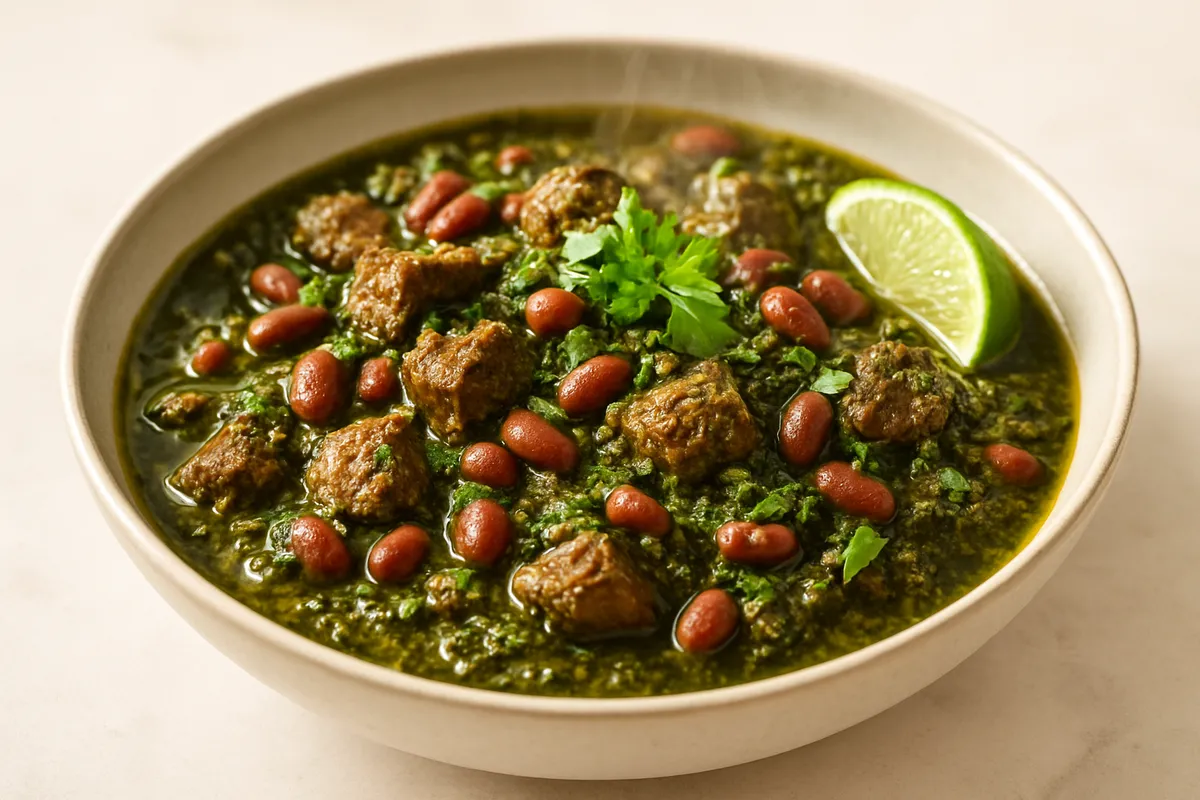
Ghormeh Sabzi
380 cal · 28g protein
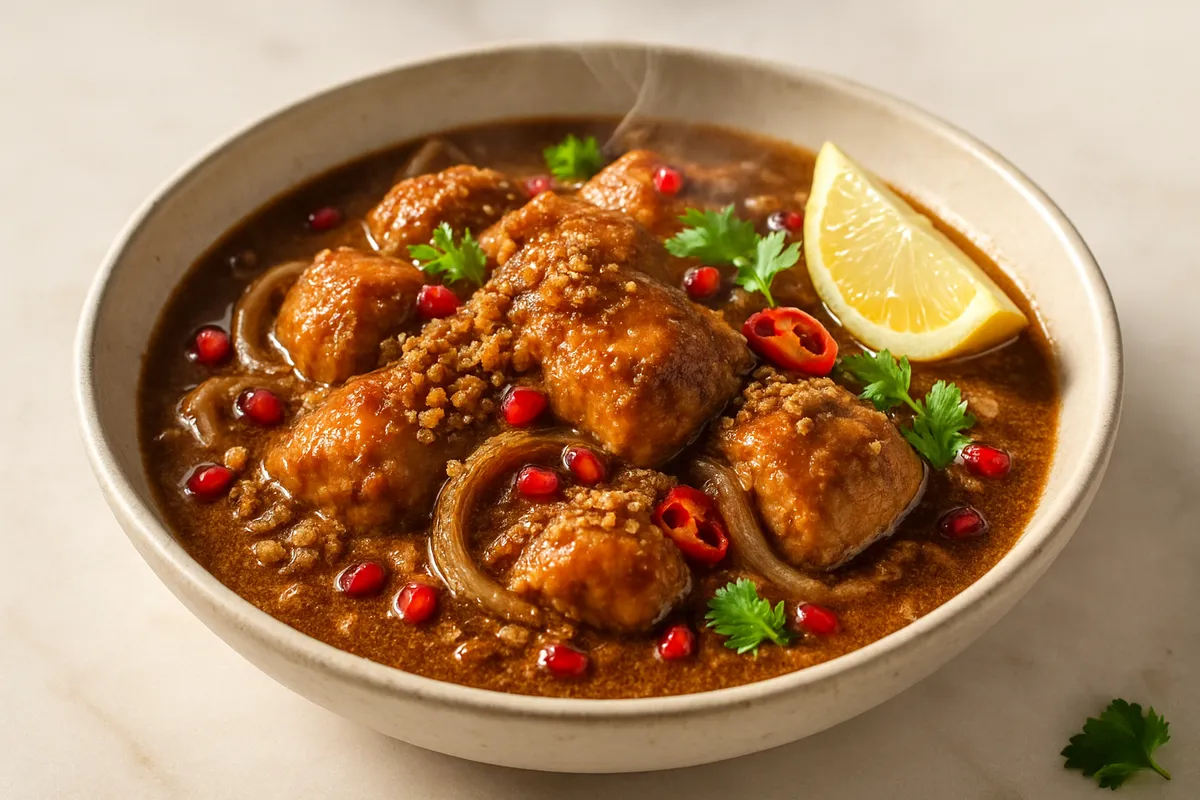
Fesenjan
450 cal · 24g protein
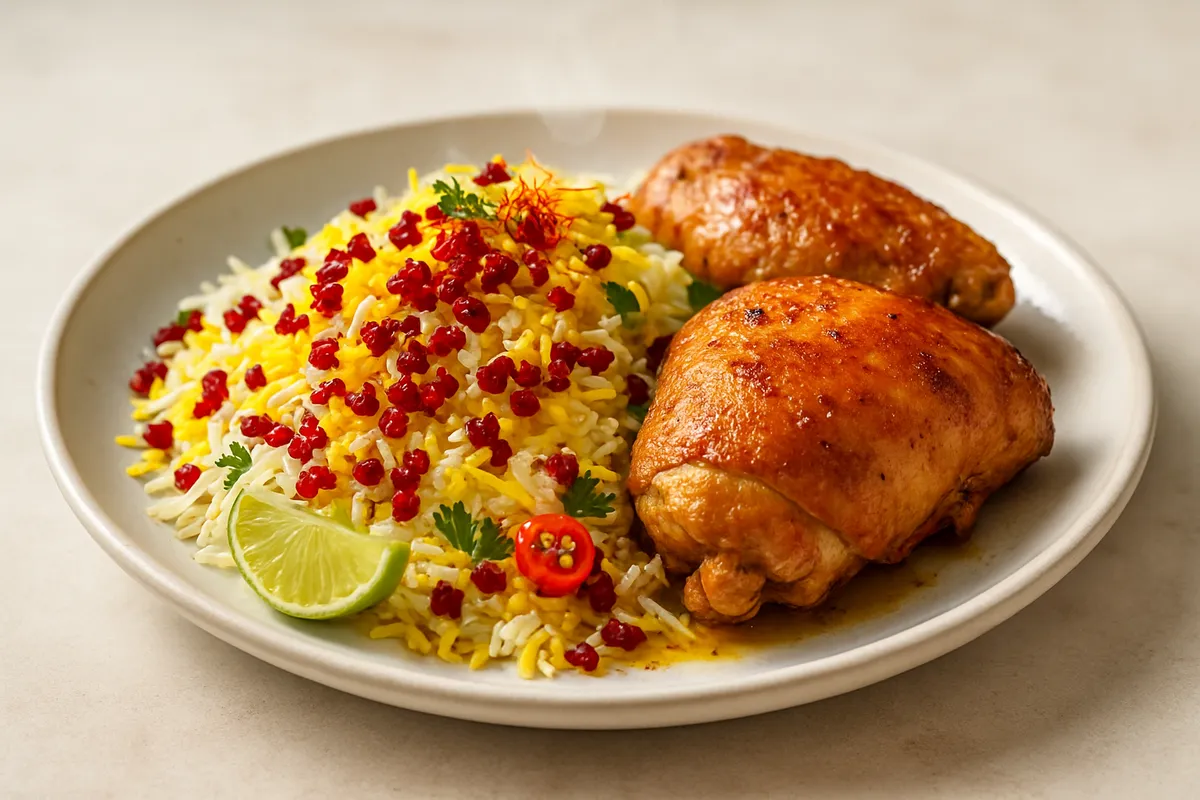
Zereshk Polo ba Morgh
480 cal · 32g protein
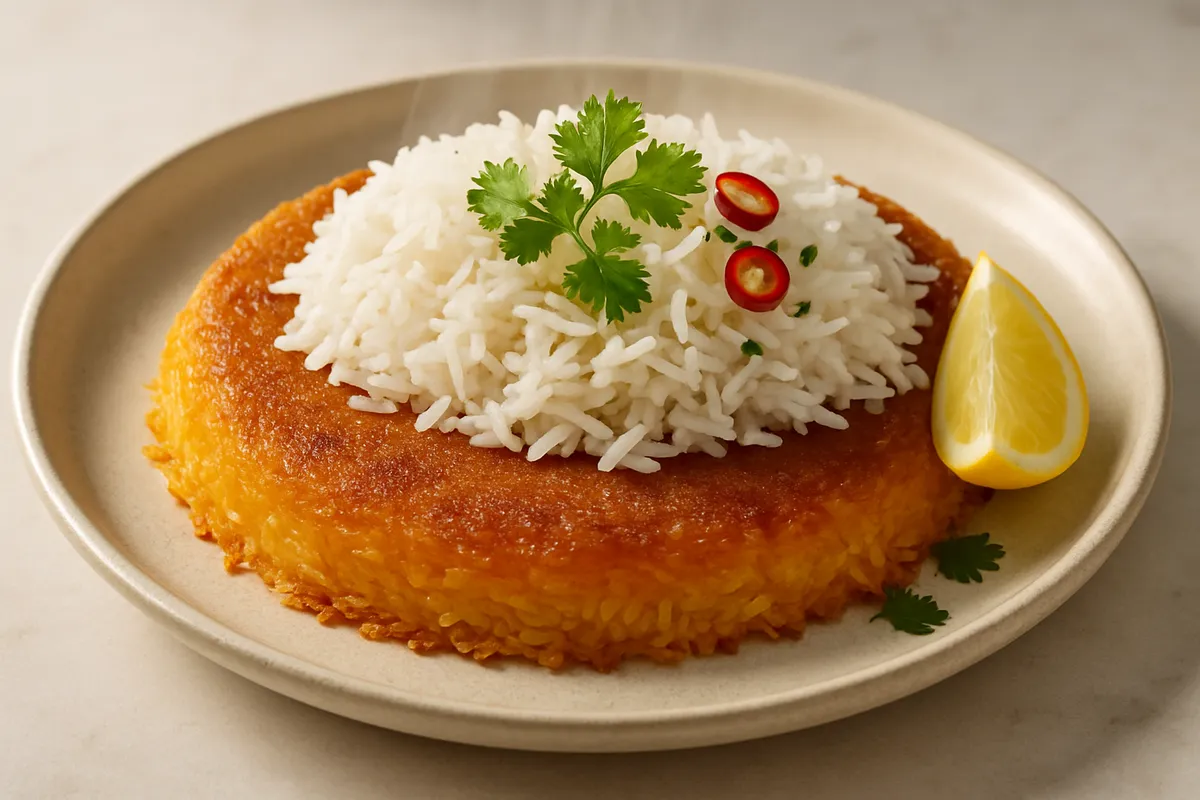
Tahdig
350 cal · 6g protein
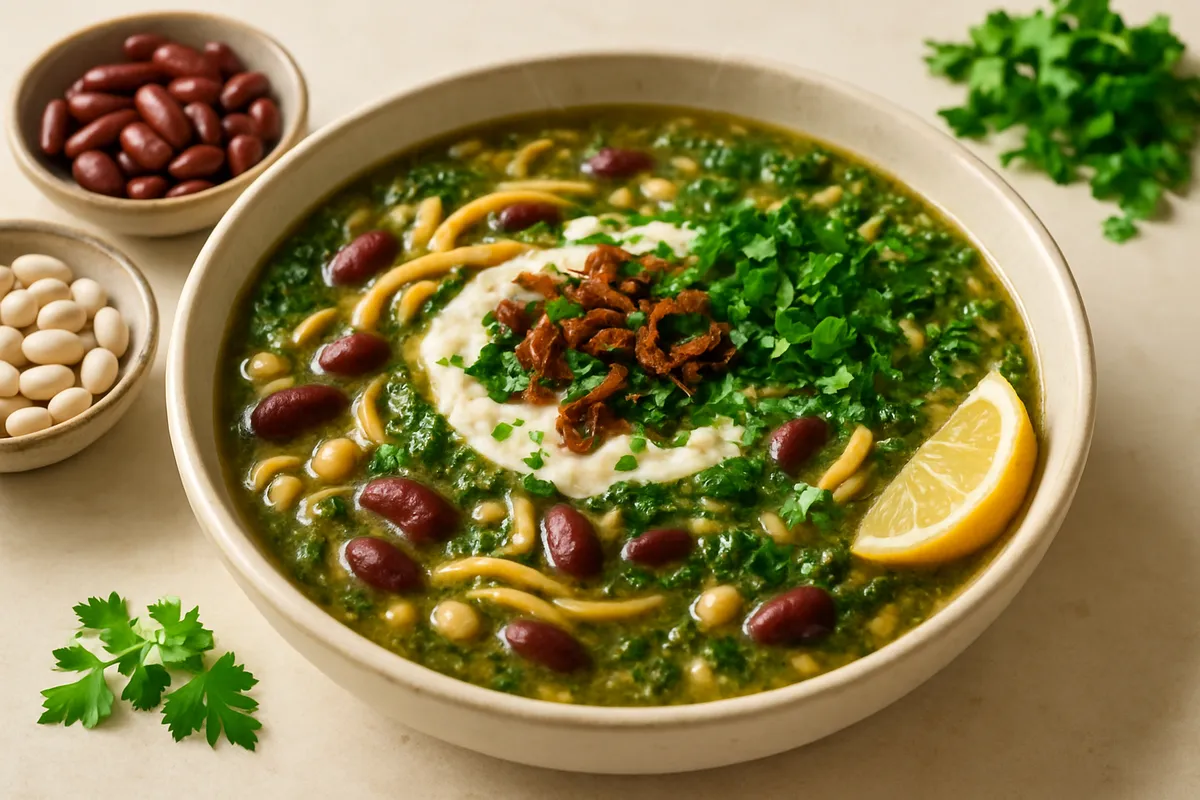
Ash Reshteh
300 cal · 12g protein
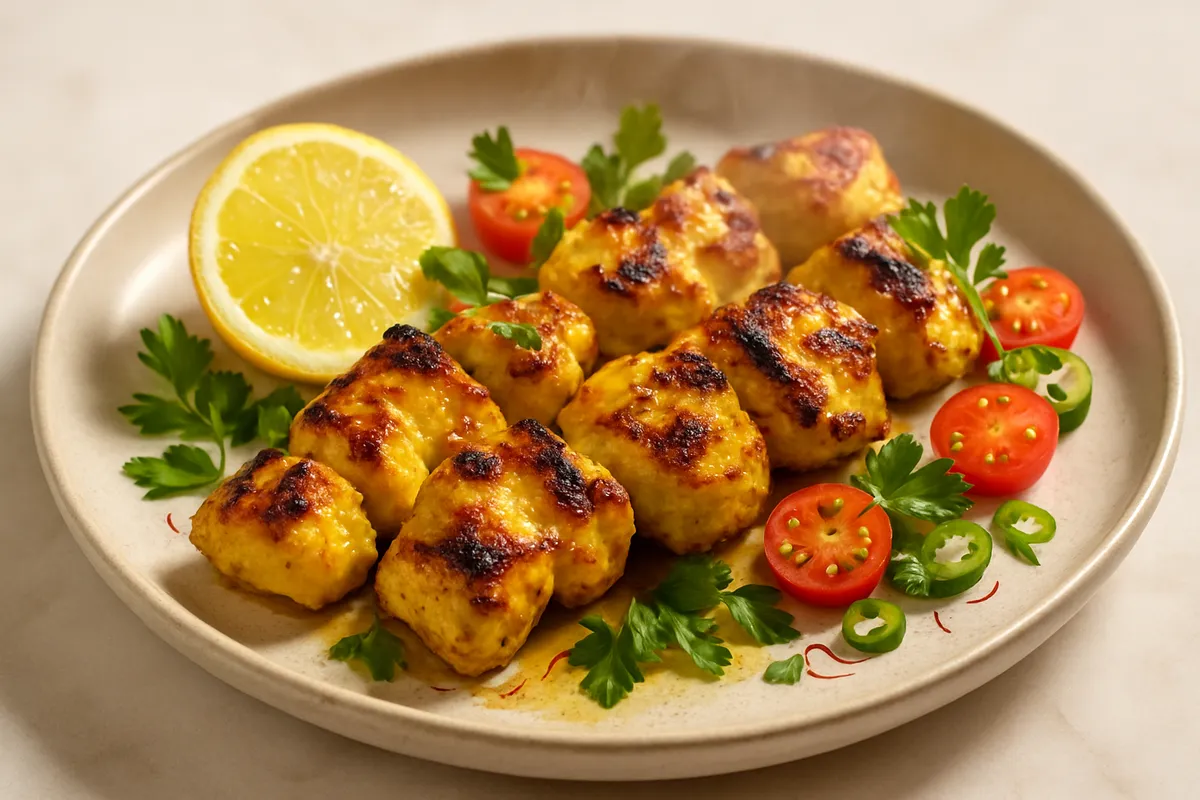
Joojeh Kabab
320 cal · 38g protein
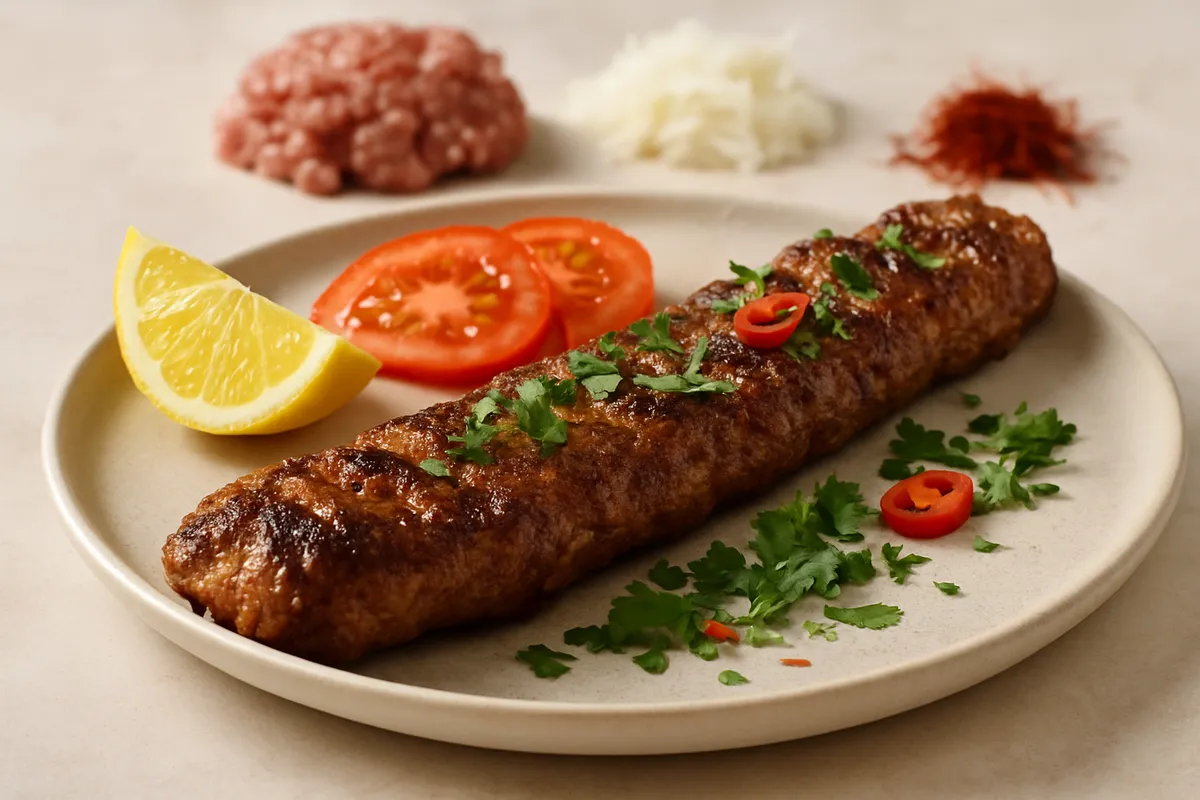
Koobideh
380 cal · 34g protein
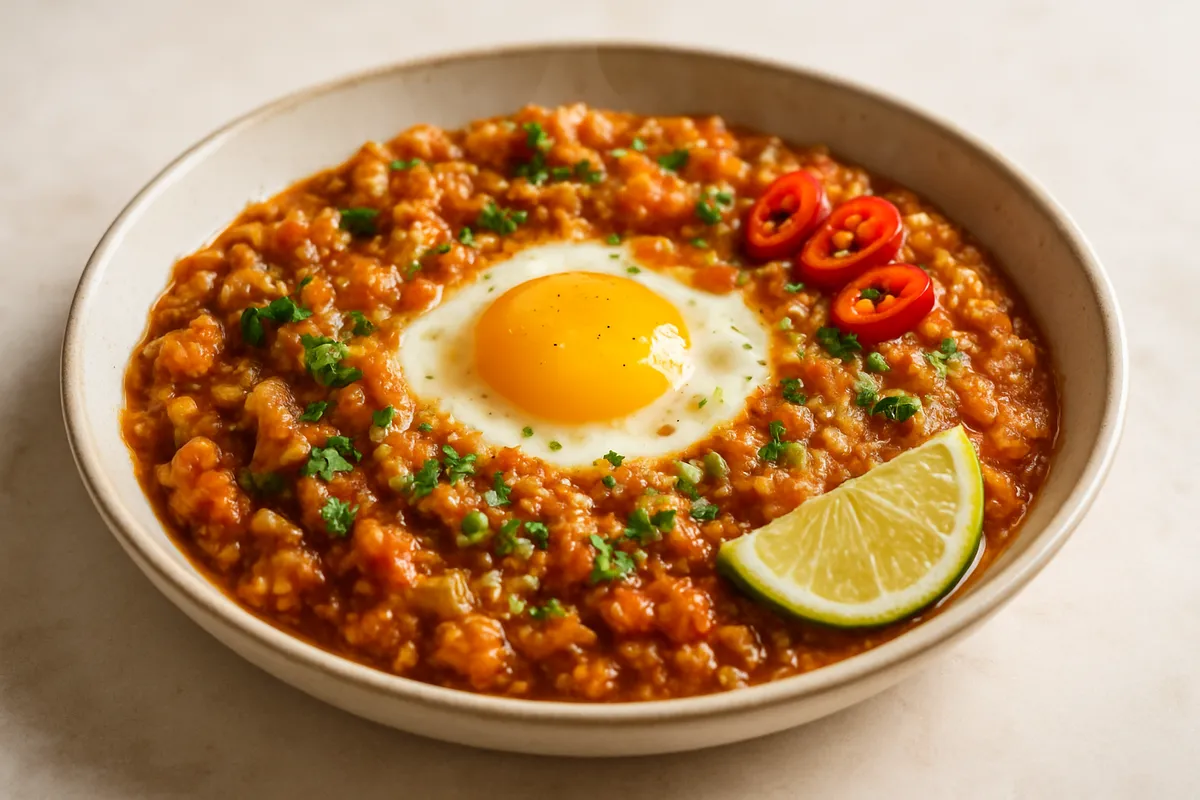
Mirza Ghasemi
180 cal · 6g protein
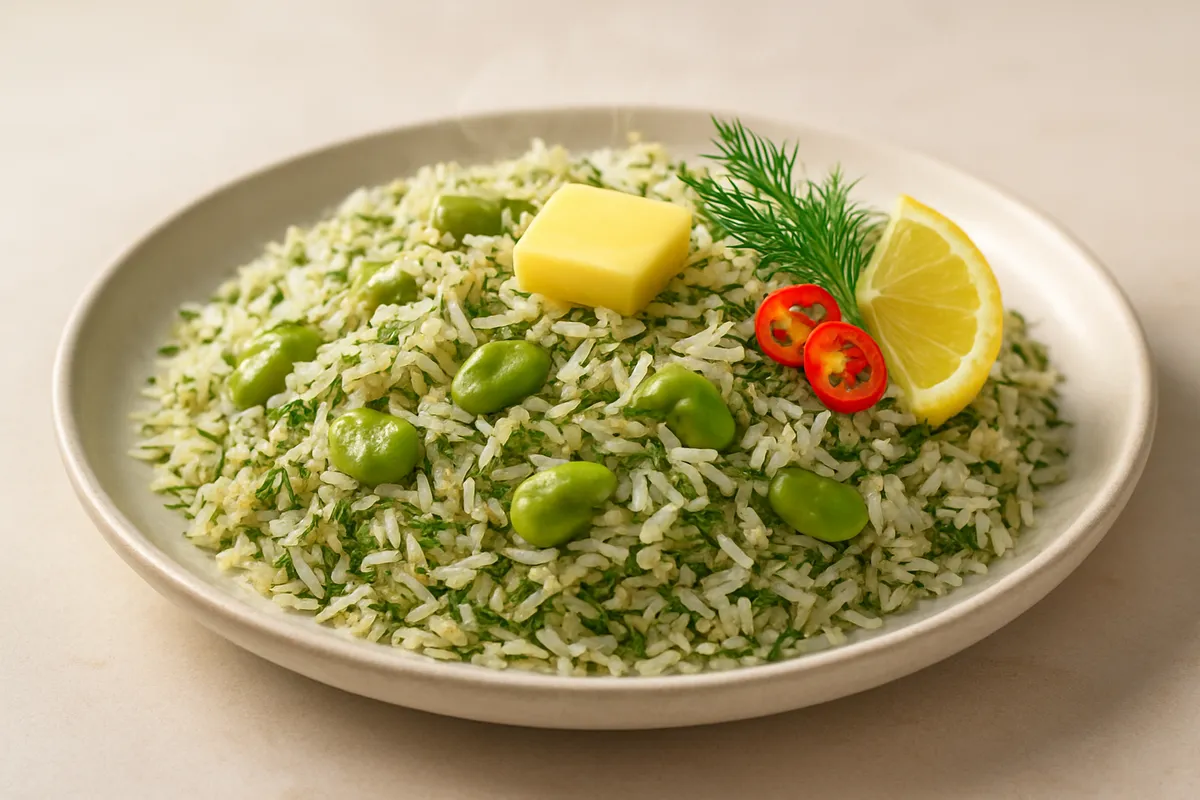
Baghali Polo
400 cal · 10g protein
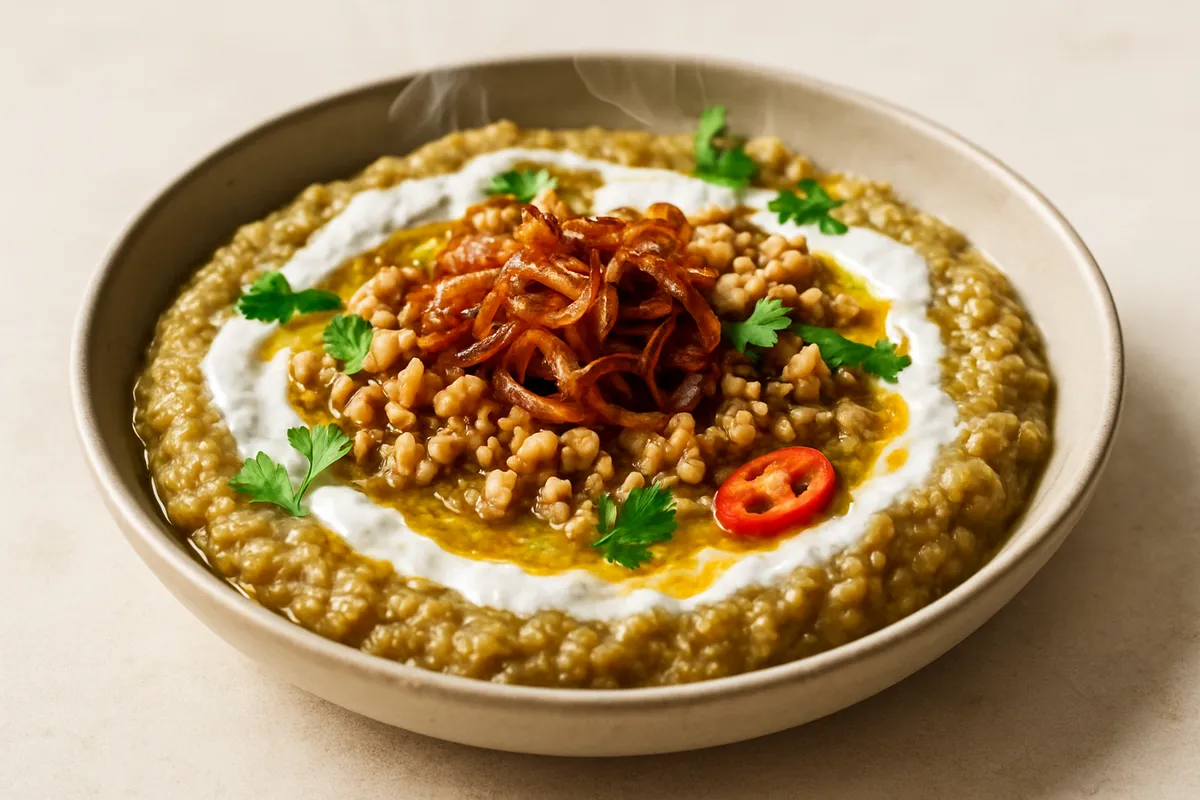
Kashk-e Bademjan
200 cal · 6g protein

Sholeh Zard
235 cal · 4g protein
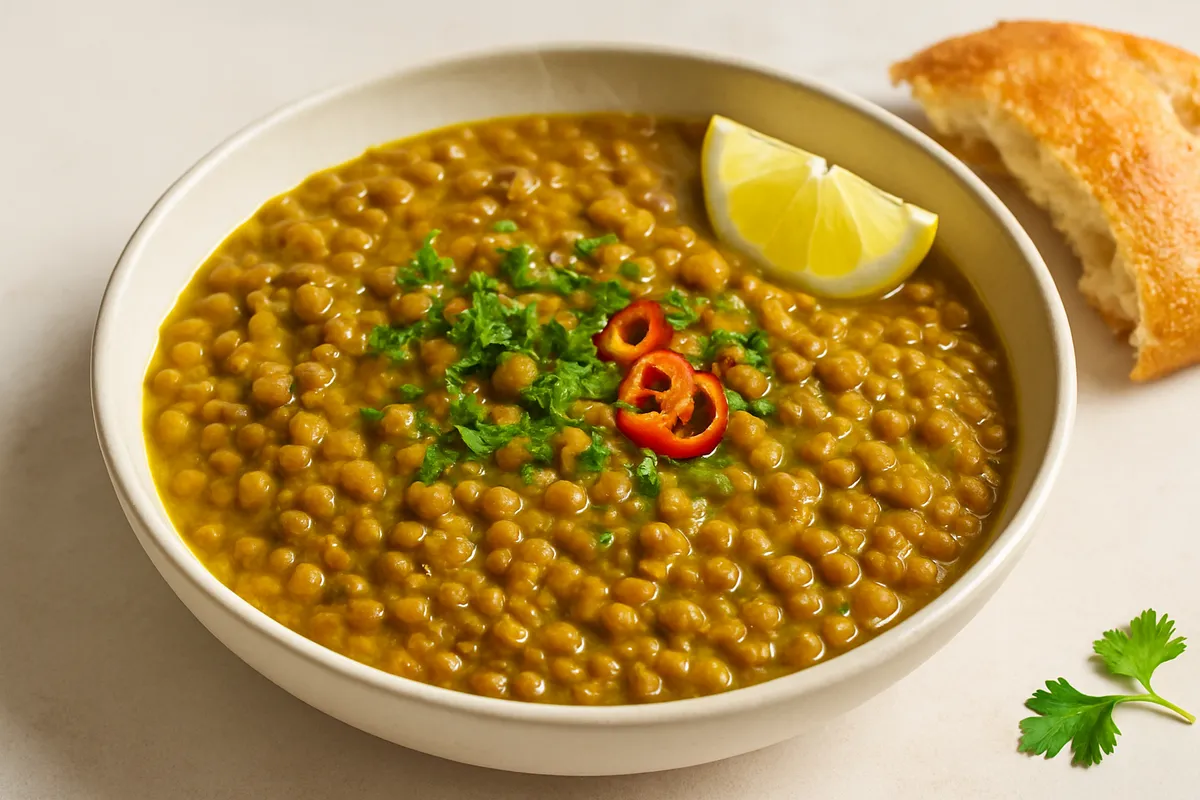
Adasi
224 cal · 13g protein
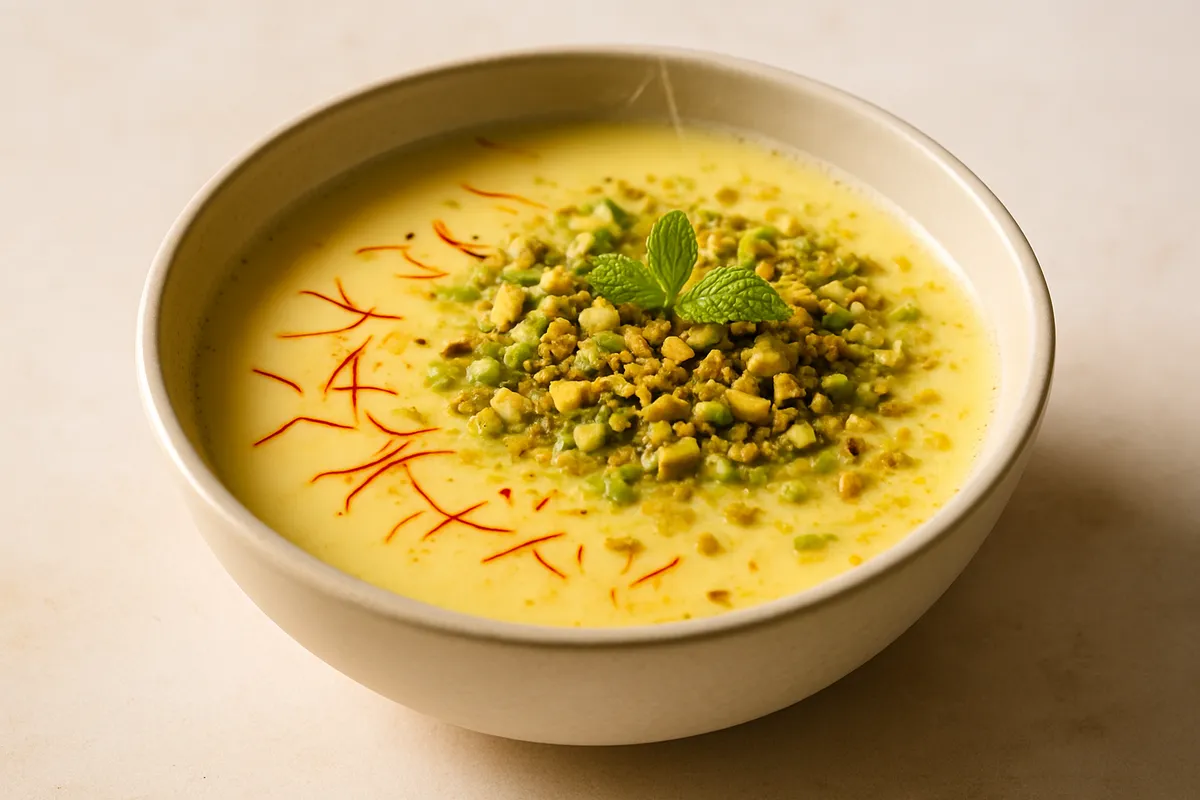
Saffron, Cardamom & Pistachio Milk
285 cal · 10g protein
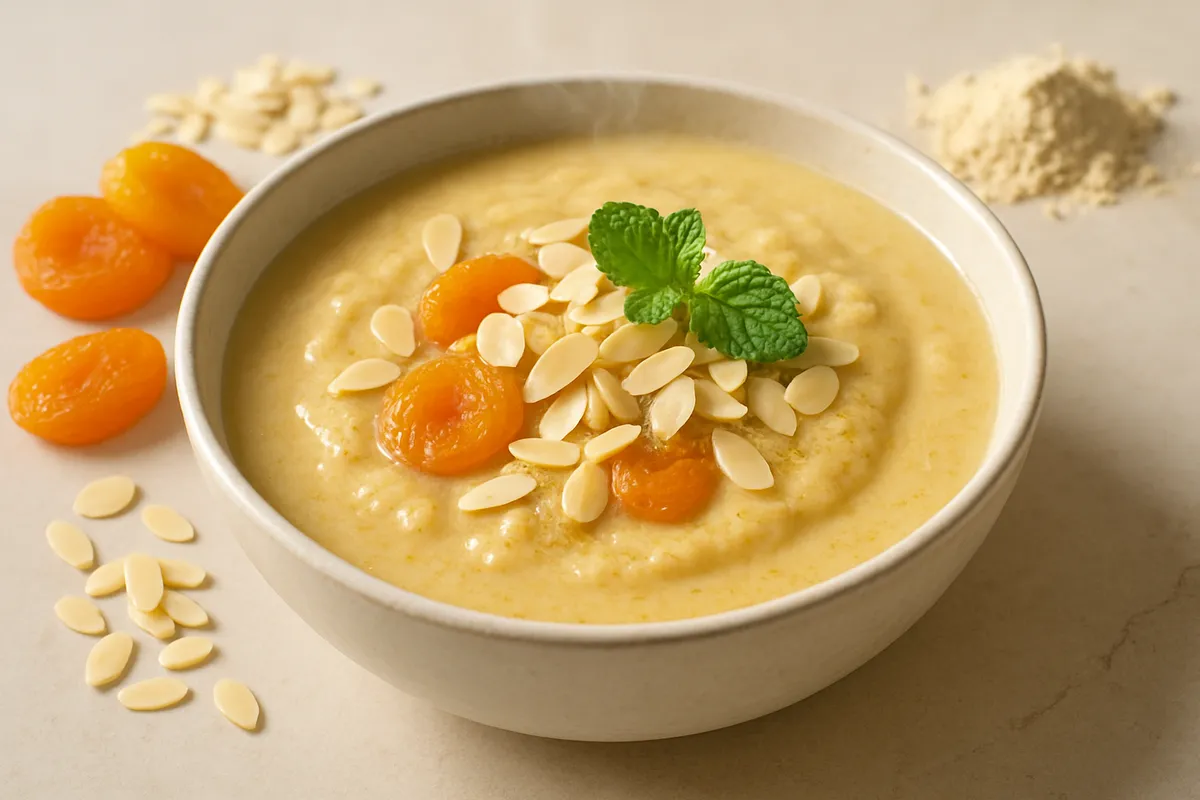
Apricot, Almond & Cardamom Warm Milk
474 cal · 36g protein
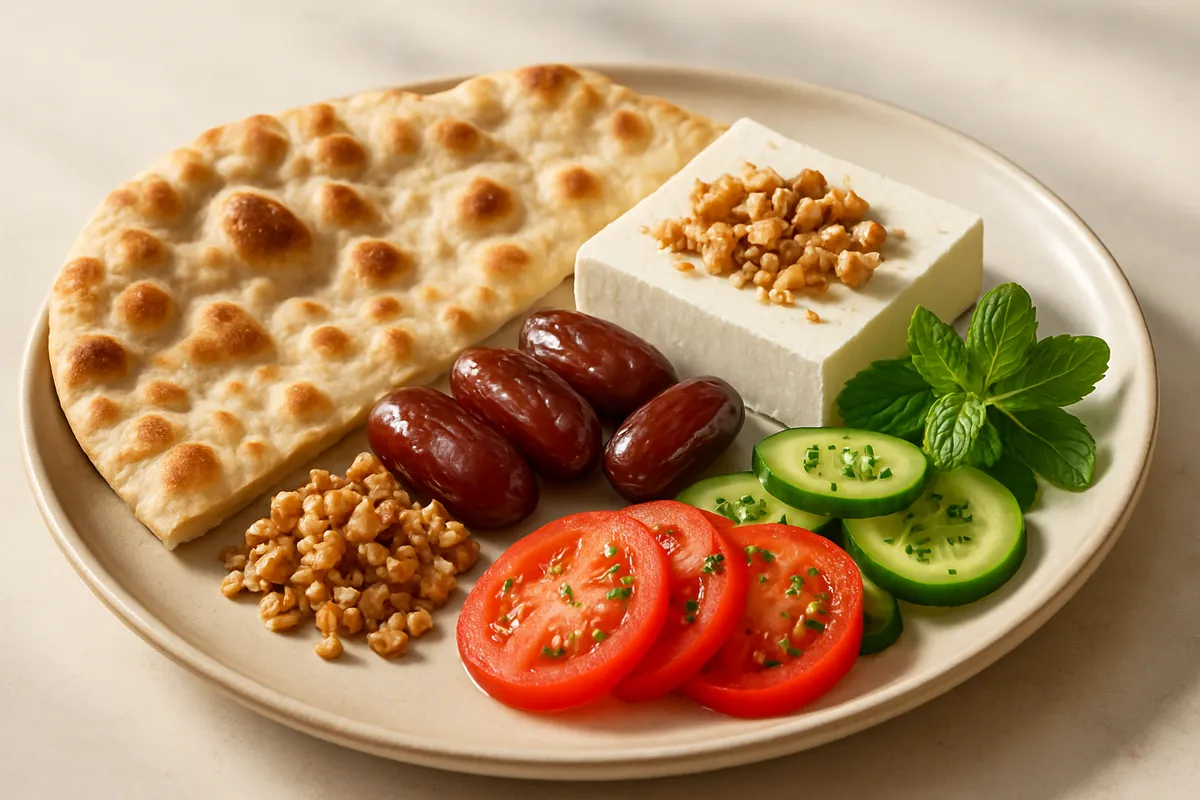
Nan-o-Panir Breakfast Plate with Walnuts, Dates & Mint
692 cal · 21g protein