Suhoor & Iftar Meal Plans, Built Around Your Macros
Two sittings, two different jobs. Suhoor has to hold you through the day; iftar has to refill what the day spent. Tell us which days you fast and we plan both of them out of the same halal recipes you eat the rest of the week, with your protein held at full target on every one.
Cutting, maintaining, training: your goals do not pause for your fasts.
Get your numbers in 2 minutes127
Suhoor recipes
98
Iftar recipes
457
Halal recipes
Suhoor: the meal that has to last
A suhoor that is mostly fast carbs is gone by mid-morning. These five carry the most fibre of any suhoor dish we have, and every one of them clears 30g of protein in a single sitting, which is what the evidence asks of one eating occasion for a 75kg adult. They are picked by those two numbers, not by us.
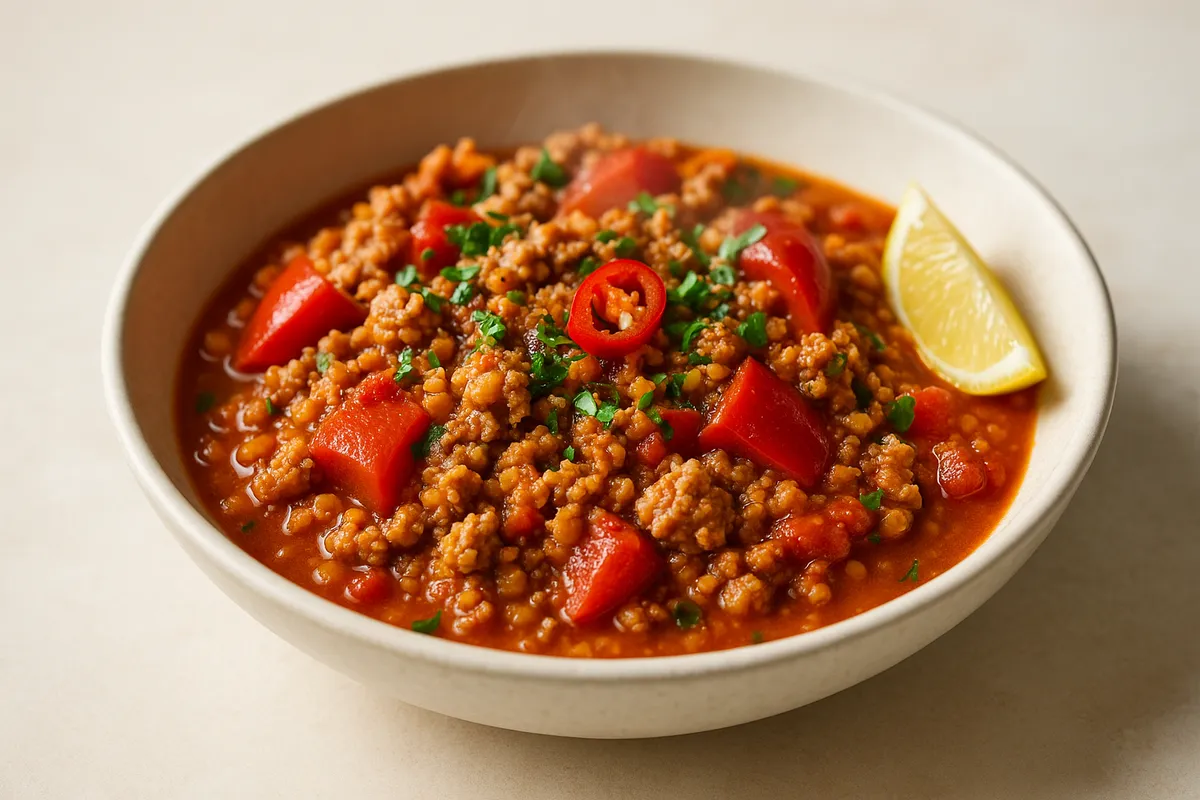
Turkey, Red Lentil & Pepper Pot
545 cal · 43g protein
22g fibre
28 min · £2.32 a serving
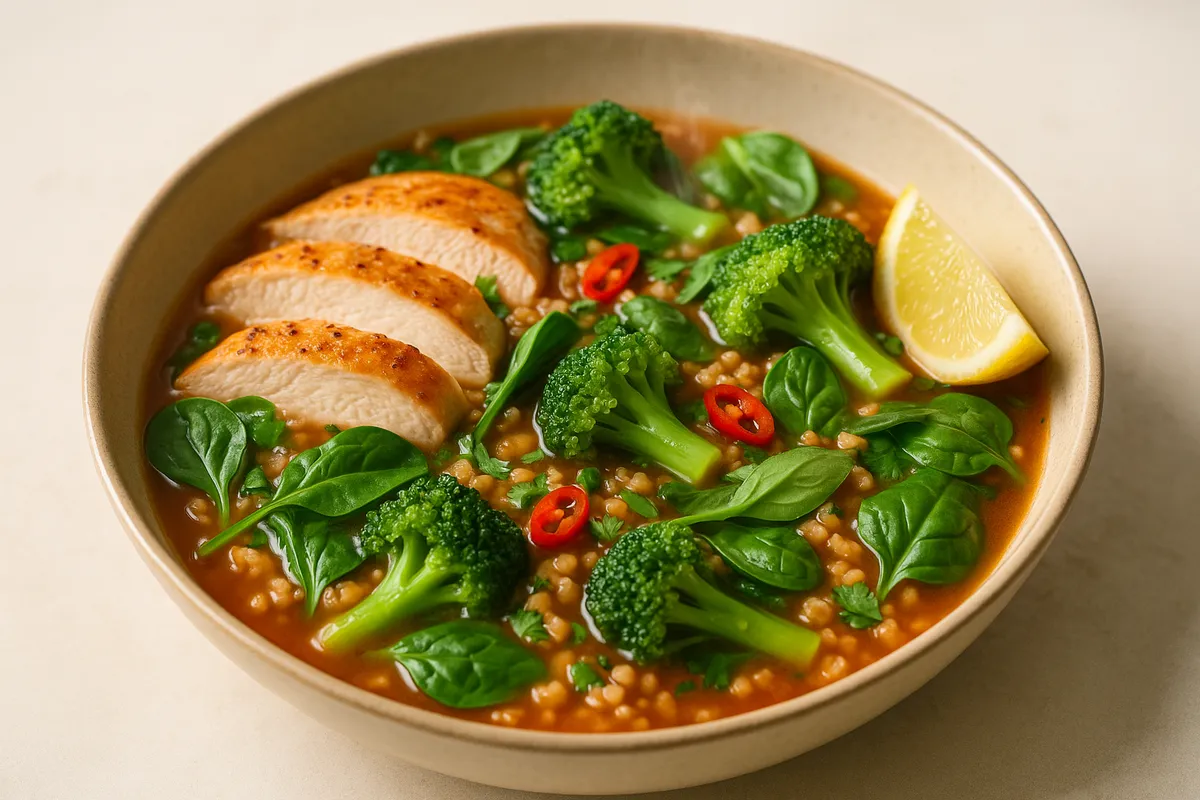
Chicken, Bulgur & Broccoli Broth Bowl
566 cal · 46g protein
20g fibre
25 min · £2.19 a serving
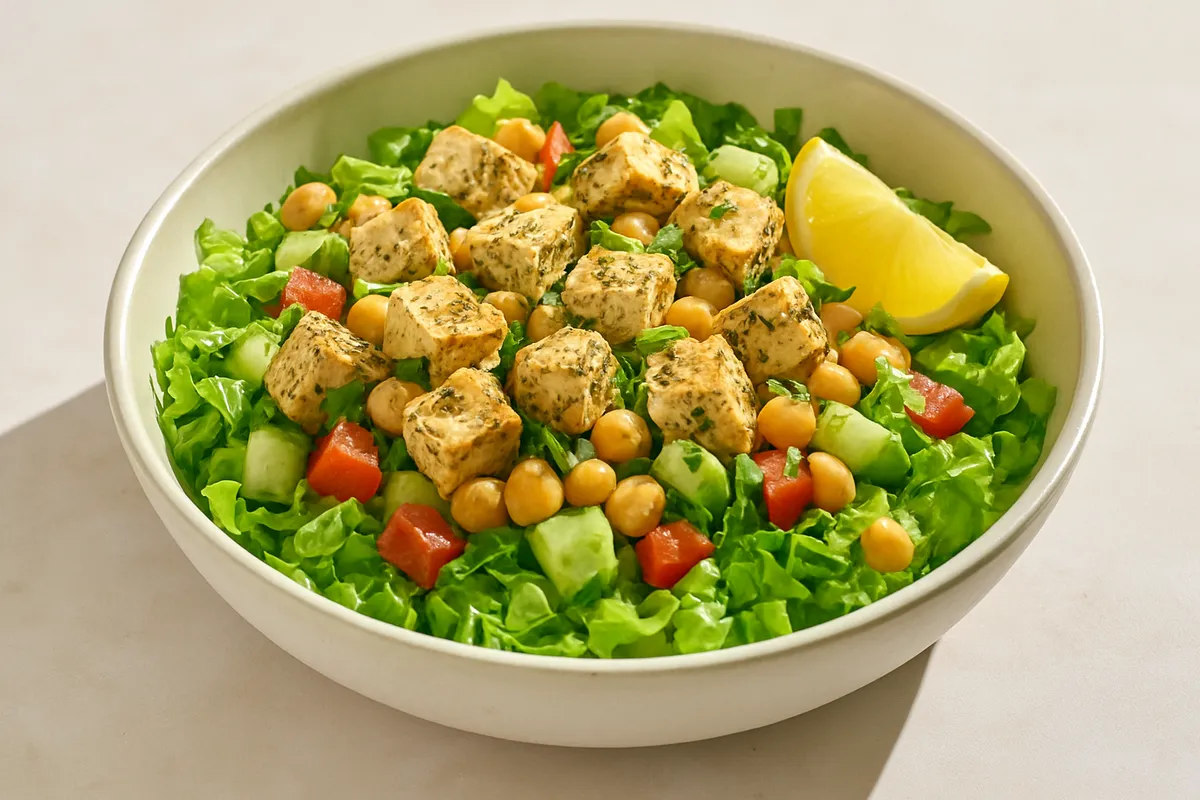
Tofu, Chickpea & Romaine Power Bowl
571 cal · 41g protein
20g fibre
12 min · £3.06 a serving
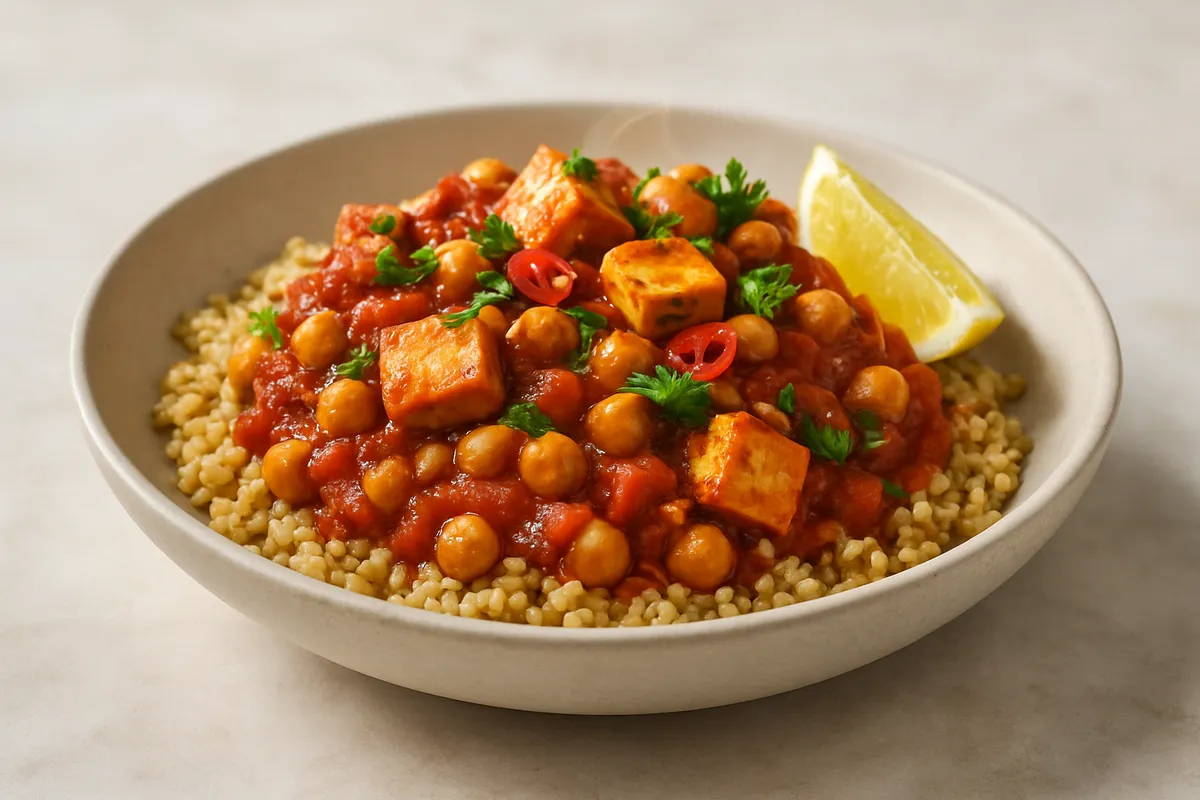
Harissa Tofu & Chickpea Stew with Bulgur
685 cal · 42g protein
19g fibre
28 min · £2.09 a serving
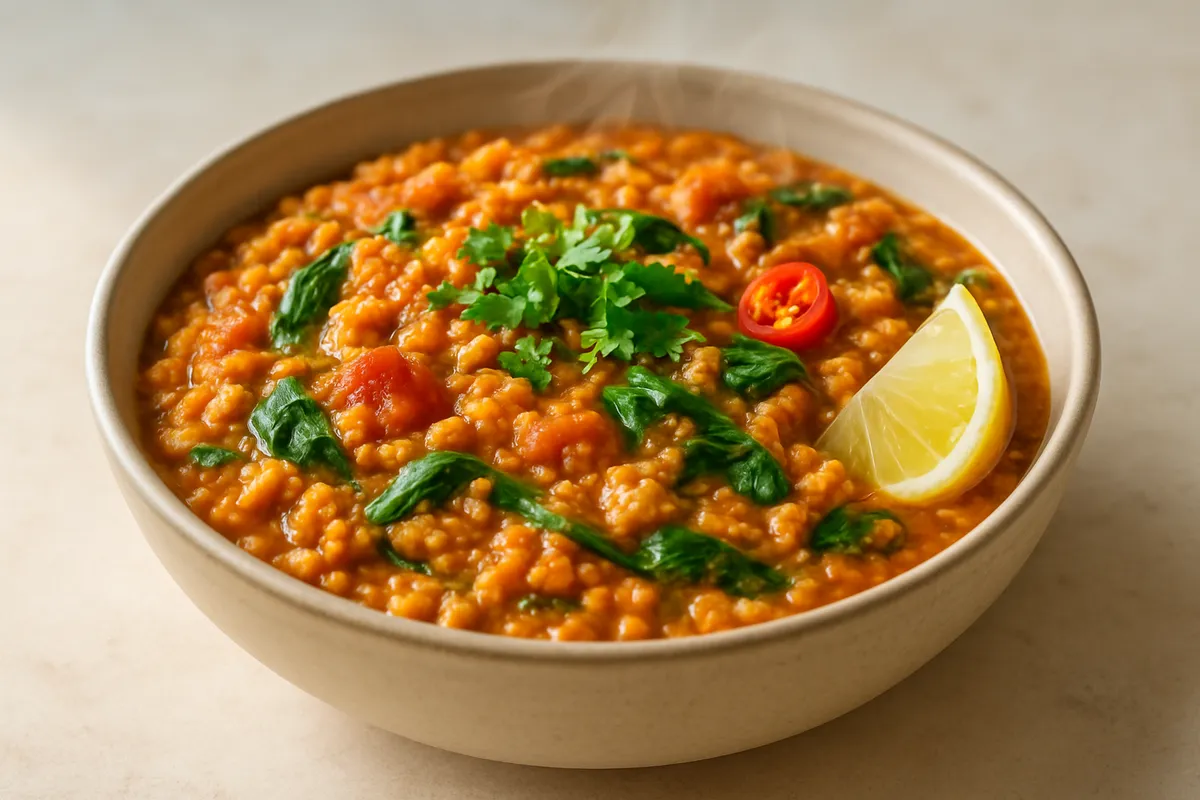
Cumin Lentil, Tomato & Spinach Comfort Lunch Pot
433 cal · 31g protein
18g fibre
22 min · £1.40 a serving
Iftar: the meal that refills
Breaking a fast is the carb-forward sitting, and it is where most of the day's calories belong. These five are the highest-protein iftar dishes we have that are still carb-led, so the sitting refills you without quietly costing you the muscle you fasted with.
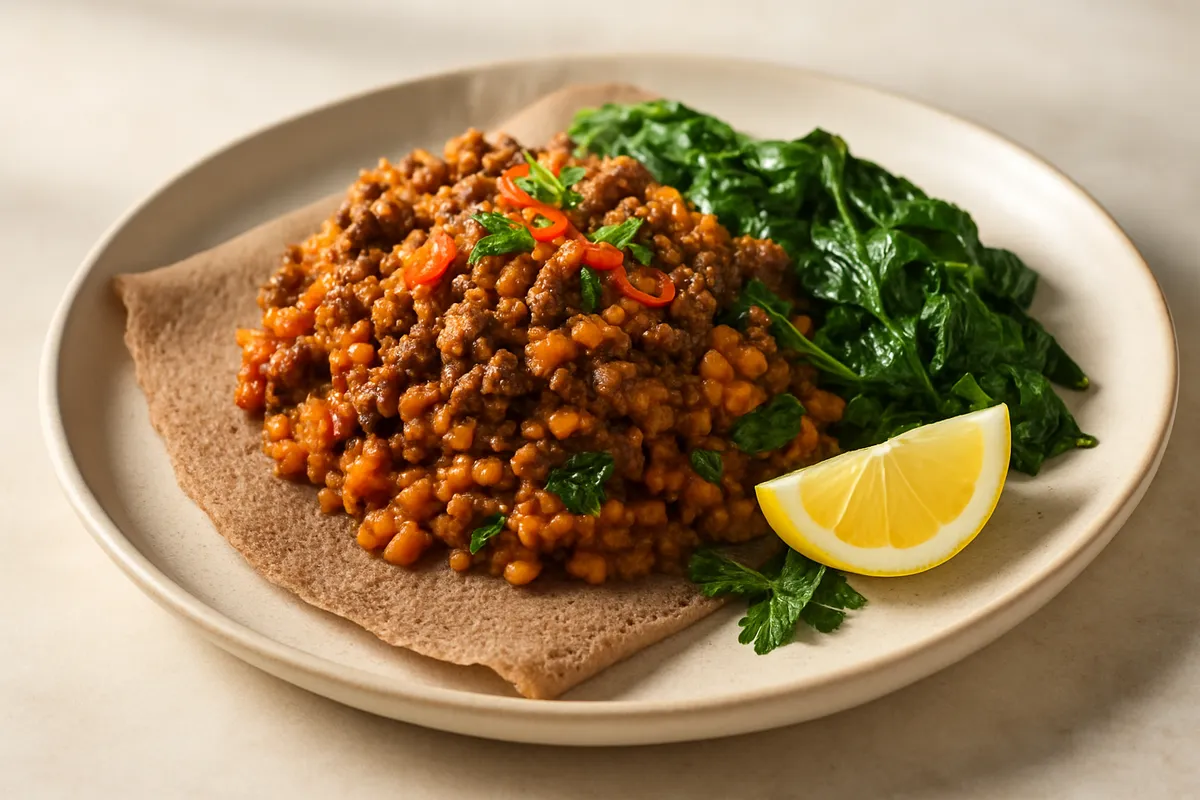
Berbere Beef, Lentil & Injera Plate
970 cal · 57g protein
109g carbs
28 min · £4.06 a serving
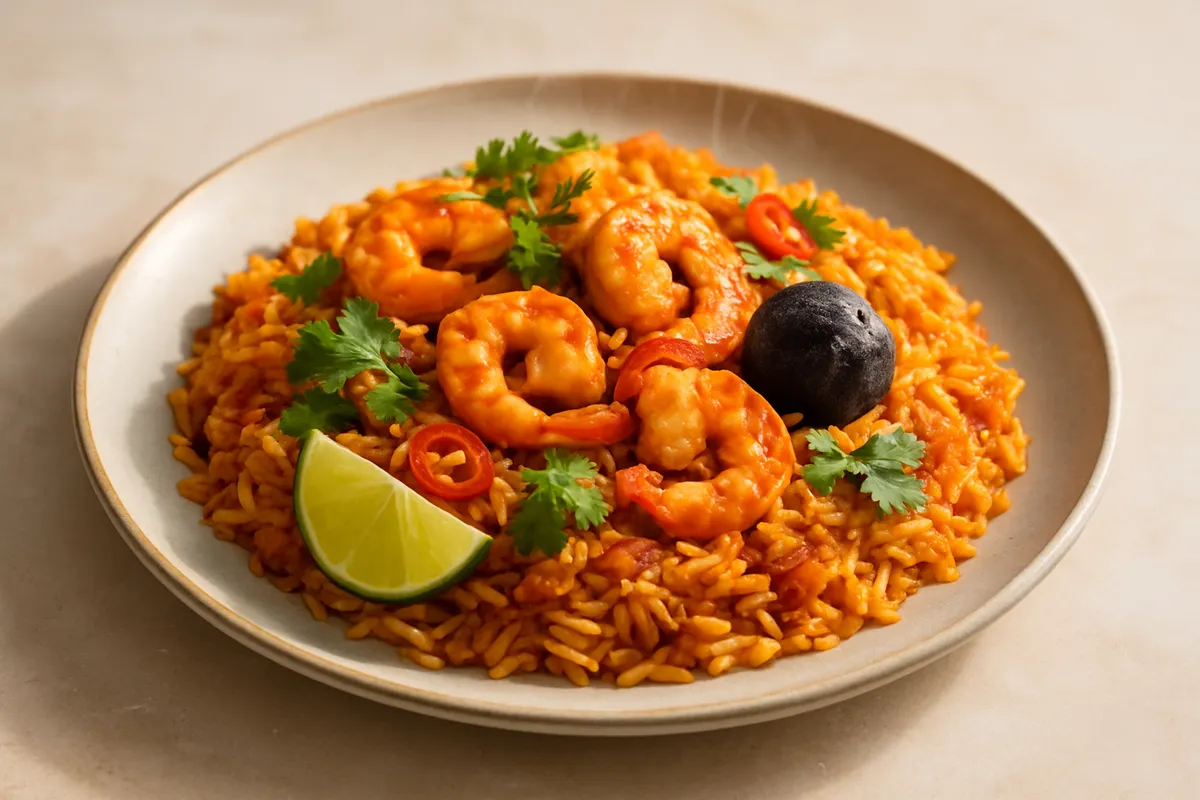
Prawn Machboos Rice Plate with Dried Lime
919 cal · 51g protein
109g carbs
26 min · £3.56 a serving
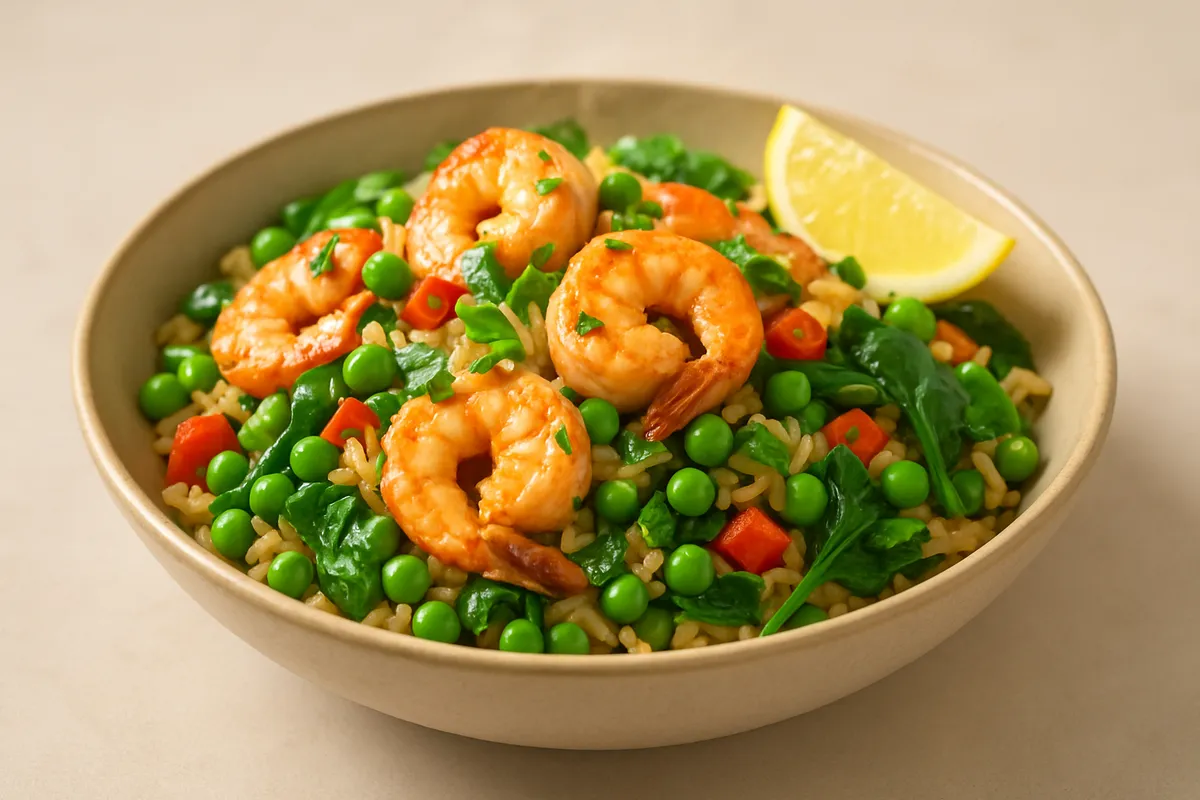
Prawn, Pea & Rice Iftar Bowl
574 cal · 44g protein
86g carbs
18 min · £3.64 a serving
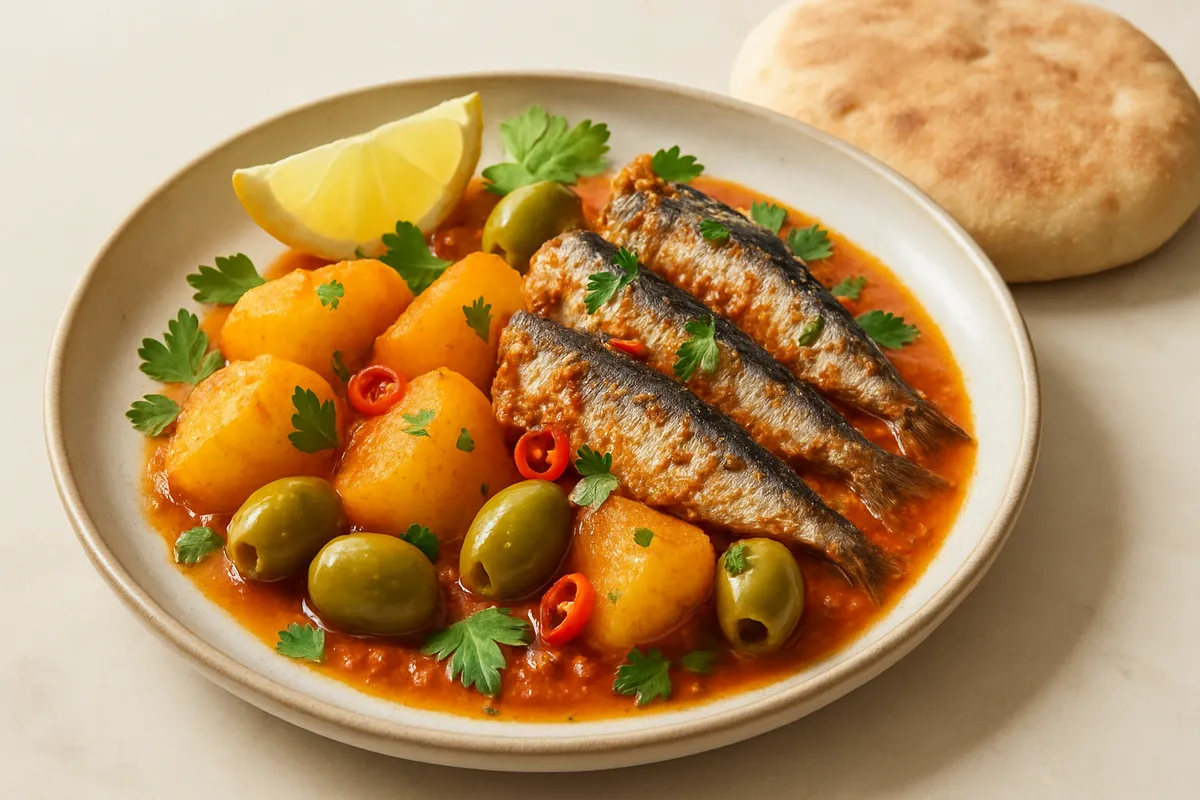
Tunisian Sardine, Potato & Olive Plate with Khobz
937 cal · 44g protein
98g carbs
28 min · £1.83 a serving
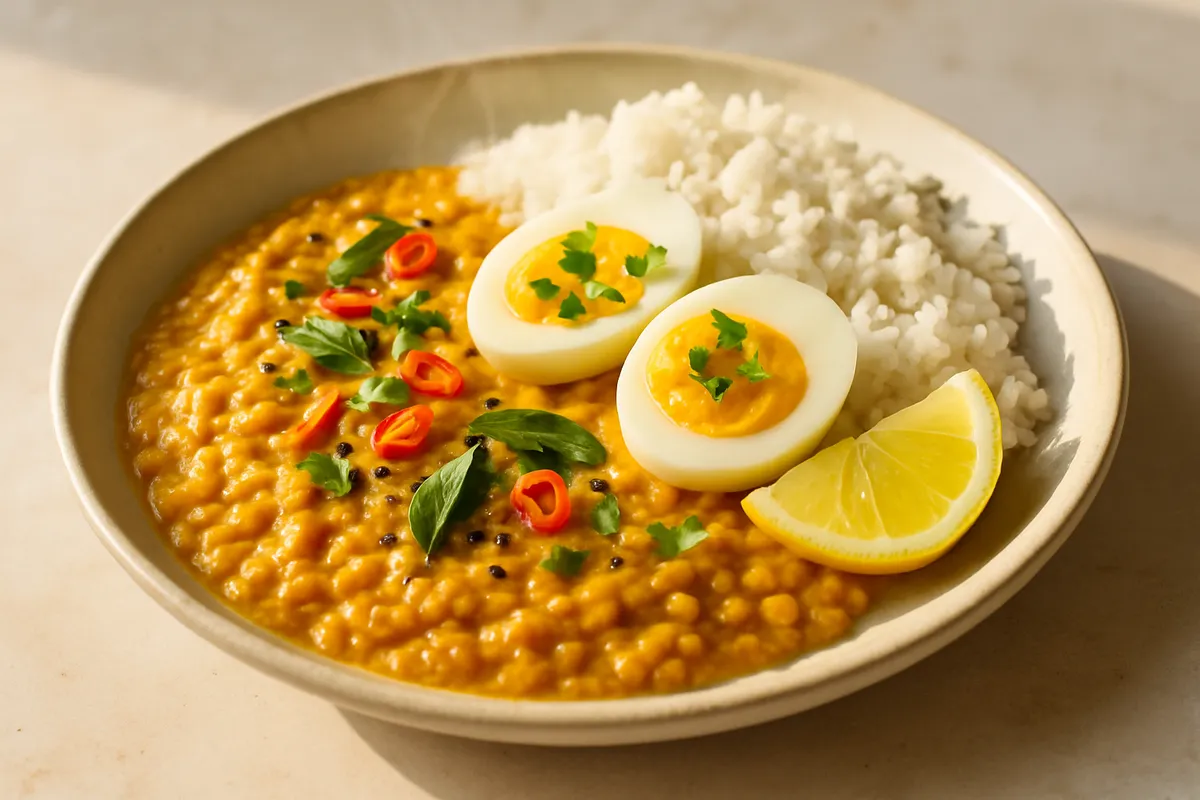
Sri Lankan Coconut Dhal with Egg & Rice
1,020 cal · 43g protein
122g carbs
28 min · £1.29 a serving
How we decide what goes in each sitting
By Abu · Last reviewed
On a fasting day your day target is split across the two sittings rather than the three you would normally eat. Suhoor takes about 40% of the calories and iftar the other 60, and the split is not even across the macros: iftar carries roughly two thirds of the carbs, because refilling is its job, while suhoor takes the larger share of the fat, because fat is what makes a meal last.
Those percentages are practitioner consensus, and we will not pretend otherwise: no study validates a particular suhoor and iftar split. What the evidence does settle is the protein, so that is the part we hold fixed. Your protein target does not move on a fasting day at all: across 49 trials, a 2018 meta-analysis found gains from training kept rising with protein up to about 1.62 g per kg of bodyweight a day, and a fast does not lower that. Calories are eased only when your eating window is genuinely short, and the reason we give is comfort rather than need: when 29 fasting adults were measured through Ramadan, what they burned did not change.
“Suhoor, the pre-dawn meal, should be a wholesome, moderate meal that is filling and provides enough energy for many hours.”
Protein is spread rather than saved for iftar, because muscle uses about 0.4 g per kg in one sitting, the figure Schoenfeld and Aragon give for a single meal. When the night is long enough we add a third meal so no sitting has to carry more than that.
Then the planner picks the actual food. Every recipe is scored on how well it fits the sitting's targets, your budget, your time and what you have already been eating, and a recipe carrying the suhoor or iftar tag gets a bonus in its own slot. When tomorrow is a fast too, the suhoor bonus doubles: the same rule, weighted heavier, because tomorrow's whole day is riding on tonight's last meal.
Sources
- Morton RW, Phillips SM et al. A systematic review, meta-analysis and meta-regression of protein supplementation and resistance training gains. British Journal of Sports Medicine, 2018. doi.org
- Lessan N, Saadane I, Alkaf B et al. The effects of Ramadan fasting on activity and energy expenditure, an observational study. American Journal of Clinical Nutrition, 2018. doi.org
- Schoenfeld BJ, Aragon AA. How much protein can the body use in a single meal for muscle-building? A narrative review. Journal of the International Society of Sports Nutrition, 2018. doi.org
- Department of Health. Ramadan Health Guide: a guide to healthy fasting, 2007 (hosted by East London NHS Foundation Trust). elft.nhs.uk
Your goals do not pause for your fasts
- Can I still cut or train while I'm fasting?
- Yes. Your goal carries straight through a fasting day: protein stays at your full target, which is what protects the muscle you have built, and only calories move. If your week is mostly fasts we hold the cut shallower than usual, a gentler deficit you can keep rather than a steep one that hands the weight back afterwards. For training, the evidence points at lifting after iftar, fed, rather than fasted before it. Gaining size across a long stretch of fasts is the genuinely hard one, so we steer you to maintenance first and put the muscle on afterwards.
- What should I eat for suhoor if I go to the gym?
- Slow-release carbs, fibre and a real portion of protein, at least 0.4g per kg of bodyweight in that one sitting. That is roughly a quarter of your day's calories through to a third, and it is the sitting most people under-eat. Every suhoor recipe below clears that protein floor, and they are sorted by fibre, because fibre is what makes the difference between a suhoor that lasts until Asr and one that does not.
- Is this only for Ramadan?
- No. Mondays and Thursdays, the White Days, Ashura, Arafah, the six of Shawwal, or a schedule of your own: tell us which days you fast and every one of them switches to a suhoor and iftar plan with your targets adjusted. The recipes are the same halal recipes as any other day, arranged for a different clock.
- Do my calories drop because I am fasting?
- Not automatically, and not because fasting changes what your body spends. It does not. What changes is how many hours you have to eat in. So we only ease calories when your eating window is genuinely short, we say so in those words when we do, and protein is held at your full target either way. Tap the target on any fasting day and we show the working, the window it was based on, and how strong the evidence behind each part of it is.